Gum Disease Treatment for People with Dry Mouth
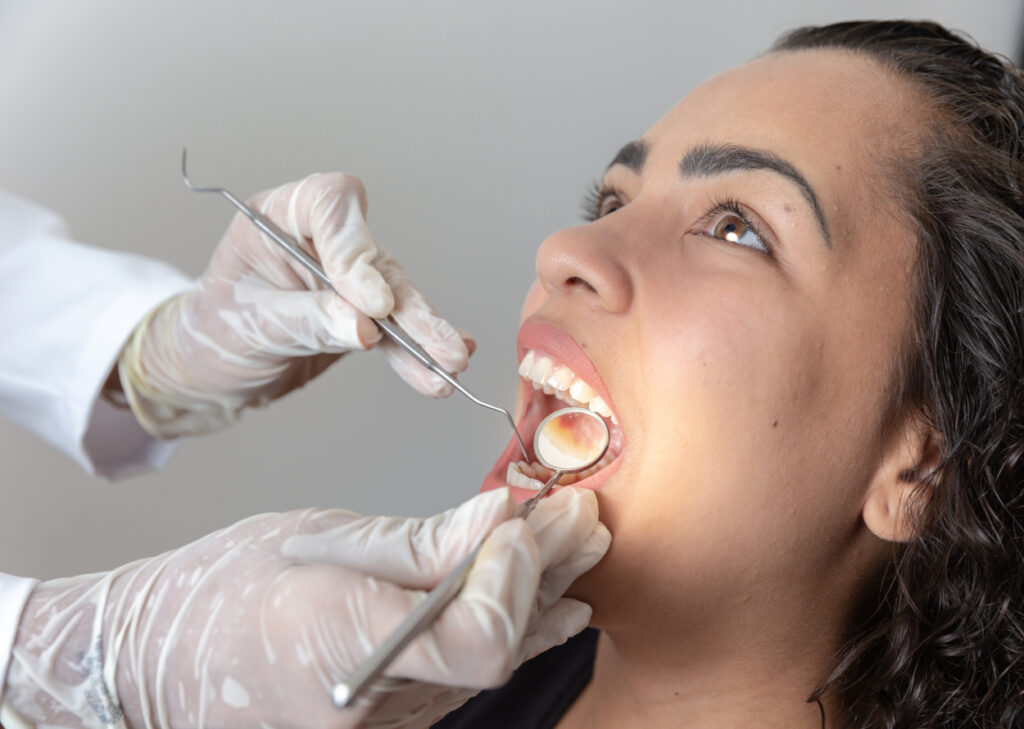

Dry mouth changes the rules of oral health. A patient who once kept healthy gums with routine cleanings and ordinary brushing may suddenly find that the tissue looks redder, bleeds more easily, or feels tender along the gumline. Plaque hardens faster. Breath worsens. Food sticks in places it never used to. The mouth feels sticky, especially at night. For many people, that shift is gradual enough to miss until gum disease is already established.
That pattern is common in real clinical life. Dry mouth, or xerostomia, often arrives as a side effect of medication, cancer treatment, autoimmune disease, aging, mouth breathing, or poorly controlled diabetes. Saliva is not just there for comfort. It buffers acids, helps control the oral bacteria that drive inflammation, lubricates tissues so they do not crack, and supports the natural self-cleaning of the mouth. When saliva drops, gums lose part of their protection.
Gum disease treatment in someone with dry mouth is not simply standard periodontal care with a few comfort tips added on. It requires a more deliberate approach. The treatment has to reduce bacterial load, control inflammation, protect vulnerable tissues, and support moisture at the same time. If one part is ignored, the rest often falters.
Why dry mouth makes gum disease harder to control
Healthy saliva works quietly in the background. It washes away food debris, dilutes irritants, and contains proteins and minerals that help stabilize the oral environment. When the mouth is dry, plaque becomes stickier and more persistent. Patients often describe a filmy coating on the teeth by midday, even when they brushed well that morning. That is not their imagination.
Inflamed gums in a dry mouth can also feel different from classic gingivitis or periodontitis. Some people notice burning, soreness, or a rough sensation long before they see obvious bleeding. Others stop flossing because the tissue feels too delicate, which unfortunately allows plaque to build more aggressively at the exact sites that need attention.
The microbiology can shift as well. A dry mouth tends to favor organisms that thrive in a less stable environment. The result is not always dramatic swelling. Sometimes it is a quieter, chronic inflammation with recession, tenderness, bad breath, and stubborn plaque retention. Clinically, these are the mouths where standard advice like “brush and floss better” falls flat unless the dryness itself is addressed.
The first step is finding the reason for the dryness
No thoughtful treatment plan starts with the gums alone. Dry mouth has causes, and those causes matter. Medications are the most common driver by far. Antidepressants, antihistamines, blood pressure medicines, bladder medications, muscle relaxants, and many anxiety medications can reduce salivary flow. It is not unusual for a person to be taking two or three drugs that each contribute a little, creating a significant combined effect.
Medical history matters just as much. Sjögren’s syndrome, diabetes, Parkinson’s disease, prior radiation to the head and neck, and chronic nasal obstruction can all play a role. Nighttime symptoms often point toward mouth breathing or sleep-disordered breathing, especially if the patient wakes with a dry tongue and a sore throat. I have seen more than a few cases where persistent gum inflammation improved only after the breathing issue was recognized.
This part of care requires judgment. Patients should never stop a prescribed medication on their own because of dry mouth. What does help is coordination. Sometimes a physician can adjust dose timing, change to a less drying alternative, or review whether every current medication is still necessary. Not every case can be improved medically, but many can be softened.
What gum disease treatment looks like when saliva is limited
The backbone of treatment is still periodontal care: remove plaque and tartar thoroughly, disrupt the bacterial biofilm, and create conditions the gums can actually heal in. But technique and pacing often need modification.
For mild gingivitis, a careful professional cleaning plus home care improvements may be enough, provided the dry mouth is also being managed. When tartar has built up below the gumline or pockets are present, scaling and root planing may be necessary. In a dry mouth, that treatment can feel more irritating afterward because the tissues have less lubrication and may already be inflamed from friction. Using gentle instrumentation, good local anesthesia when needed, and a realistic post-treatment plan makes a real difference in patient comfort and follow-through.
Patients with significant dryness often need more frequent maintenance visits than the standard six-month interval. Three to four months is common, sometimes sooner early on. That is not because they are failing. It is because their oral environment allows plaque to mature faster and tissues to deteriorate with less warning. If a patient tells me their mouth feels dry all day and they are getting stringy saliva or no saliva at all, I do not expect them to behave like a textbook low-risk case.
There is also a practical issue that gets overlooked. Dry tissues are easier to traumatize. A person with severe xerostomia may brush too hard because the mouth feels unclean, then develop recession or sore margins that make brushing unpleasant. Good periodontal treatment includes recalibrating technique, not just diagnosing disease.
Home care has to be effective and gentle
People with dry mouth usually need a simplified routine they can actually maintain, not a shelf full of products they will abandon in a week. The goal is daily disruption of plaque without stripping or irritating already stressed tissue.
A soft or extra-soft toothbrush is usually best. Power brushes can help because they clean thoroughly with less hand pressure, which reduces the tendency to scrub. Toothpaste choice matters more than many people realize. Strong foaming agents can sting in a dry mouth. Many patients do better with low-irritation formulas designed for sensitivity or dry mouth, especially if standard mint pastes burn.
Interdental cleaning is still essential, but the tool should match the mouth. Floss works well for tight contacts, though it can be uncomfortable if the tissue is inflamed and dry. Interdental brushes often perform better in areas with recession or larger embrasures, and many patients find them easier to tolerate. Water flossers can be useful for plaque disruption and comfort, but they are usually best seen as an addition rather than a complete substitute when gum disease is active.
One of the most common mistakes is relying heavily on alcohol-based mouthwash because the mouth “feels cleaner” after using it. In a dry mouth, that brief fresh sensation is often followed by more irritation. For many patients, the better option is an alcohol-free rinse or a dentist-recommended antimicrobial rinse used for a defined purpose and period.
Moisture support is part of periodontal therapy, not an afterthought
When saliva is inadequate, helping the mouth stay moist becomes part of gum disease treatment. That does not mean every dry mouth can be solved, but symptoms and tissue tolerance can often be improved.
Simple measures are often the most sustainable. Frequent sips of water help, although patients with severe dryness quickly learn that water alone does not last very long. Saliva substitutes, moisturizing gels, and dry-mouth sprays can be especially helpful before speaking for long periods, before meals, and at bedtime. Night is often the hardest stretch because salivary flow naturally drops during sleep. A bedside humidifier can help some people, especially those who breathe through the mouth.
Sugar-free xylitol gum or lozenges can stimulate saliva if the salivary glands still have some function. That caveat matters. In mild to moderate medication-related dryness, stimulation often works reasonably well. After head and neck radiation, the response may be limited, and patients can become frustrated if expectations are not set properly.
Prescription saliva stimulants such as pilocarpine or cevimeline may help selected patients, usually under medical or dental supervision and with attention to contraindications and side effects. They are not right for everyone, but when appropriate, they can make periodontal maintenance much more manageable because the tissues are no longer constantly desiccated.
Signs that dry mouth is affecting gum health
These clues often travel together, and when they do, the gums deserve prompt attention:
- Bleeding when brushing or cleaning between teeth, especially if it started recently.
- A sticky, pasty, or burning feeling in the mouth that persists through the day.
- Bad breath that returns quickly after brushing.
- Red, shiny, or tender gums, sometimes with recession or soreness at the margins.
- More plaque or tartar buildup than usual despite similar hygiene habits.
A patient may not have every sign. In practice, even two or three are enough to justify a closer look.
Professional treatments that may be added along the way
Not every patient needs the same extras. The best plans are selective, based on disease severity, caries risk, medical background, and https://www.podbean.com/user-Jm5Yyxh2gI3G what the mouth can tolerate.
Topical fluoride often becomes essential because dry mouth increases cavity risk along the roots and gumline. That is not gum therapy in the narrow sense, but it protects teeth that may already be vulnerable because recession and periodontal inflammation expose root surfaces.
Antimicrobial therapy can also have a place. Chlorhexidine rinses are sometimes prescribed for short periods, though they can stain and alter taste, and they are not ideal as an open-ended solution. In some cases, localized antimicrobials placed in deeper pockets may be considered. These decisions depend on pocket depth, bleeding, the pattern of disease, and patient-specific factors such as the ability to maintain plaque control.
When periodontal pockets remain deep after initial therapy, surgical treatment may be discussed. Dry mouth does not automatically rule out surgery, but healing comfort and tissue management require extra care. These are the patients who benefit from clear post-operative instructions, moisture support, pain control planning, and close follow-up. The surgery itself may be technically straightforward, yet recovery can be more uncomfortable if oral tissues remain persistently dry.
The overlap with cavities, fungal infection, and sore tissue
People often think of gum disease and dry mouth as a two-part problem. In reality, it is usually a cluster. Reduced saliva raises the risk of root cavities, cracked corners of the mouth, tongue irritation, altered taste, and fungal overgrowth such as oral candidiasis. If the mouth is sore from several directions at once, a patient may brush less, eat differently, and avoid the very habits needed to control periodontal disease.
This is why a good exam looks beyond the periodontal chart. White or red patches, a smooth burning tongue, denture irritation, angular cracking at the lips, or rampant root decay all change the treatment picture. A patient being treated for gum disease who also has oral candidiasis may need antifungal management before hygiene becomes comfortable enough to improve.
I have seen dry-mouth patients blamed for poor home care when the larger issue was pain. Once the soreness was treated and moisture improved, their plaque control changed almost overnight. Behavior follows comfort more than many clinicians admit.
Food, drink, and habits that influence outcomes
Dietary advice for dry mouth has to be grounded in daily reality. Telling people to “avoid sugar” is too vague to be useful. What matters is frequency, texture, and the choices people make to cope with dryness. Many suck on candies or sip sweetened drinks because they need constant relief. Unfortunately, that bathes the teeth and gums in a cariogenic environment while doing little for periodontal health.
Acidic drinks can be just as troublesome. Lemon water, sports drinks, and frequent diet soda may feel soothing for a moment, but they lower the pH and can aggravate both enamel and root surfaces. Caffeine and alcohol may worsen dryness for some people, though the degree varies. The point is not to ban every enjoyable beverage. It is to notice patterns and reduce exposures that keep the mouth inflamed.
Smoking deserves direct mention. Tobacco use increases periodontal destruction, delays healing, and often worsens the oral sensation of dryness. Patients sometimes assume e-cigarettes are neutral because they do not create the same smoke odor, but vaping can still dry and irritate oral tissues. If gum disease treatment is not progressing as expected, this factor cannot be ignored.
A practical daily routine that usually works
For many patients, the most successful approach is steady and uncomplicated:
- Brush twice daily with a soft brush and a gentle fluoride toothpaste.
- Clean between teeth once daily with floss or interdental brushes chosen for comfort and fit.
- Use water, xylitol products, or saliva substitutes through the day to reduce dryness.
- Avoid alcohol-based rinses unless a clinician specifically recommends one for a short time.
- Return for periodontal maintenance more often if advised, usually every three to four months.
That may look basic, but consistency beats complexity in a dry mouth.
Special situations that need extra caution
Cancer survivors treated with radiation to the head and neck often face some of the most severe dryness. Their saliva may be dramatically reduced or altered long term. Gum disease treatment in this setting has to be coordinated carefully, especially if there is exposed bone risk, trismus, or a history of osteoradionecrosis concerns. Preventive care becomes extremely important because restorative and surgical options may be more complicated later.
Patients with Sjögren’s syndrome present a different challenge. The dryness can be profound, fluctuating, and linked with eye symptoms and systemic fatigue. These patients may already be highly informed because they have been managing dryness for years, yet still struggle with gum inflammation because moisture support alone does not control plaque. They often benefit from a particularly customized periodontal maintenance schedule and a great deal of product trial and refinement.
Older adults in assisted living or with reduced dexterity are another group easily missed. Dry mouth from polypharmacy is common, and daily plaque removal may depend on a caregiver. In these cases, a technically perfect home routine is less important than a realistic one. If a patient can only tolerate a brief evening clean with an electric brush and interdental brush in key areas, that is still meaningful disease control.
When to seek help sooner rather than later
A dry mouth can mask how quickly gum problems are progressing because bleeding is not always dramatic. If gums are receding, teeth feel slightly loose, biting feels different, or tenderness lingers in one area, it is worth being seen promptly. The same is true if dry mouth starts suddenly after a medication change, or if the tongue and inner cheeks become so uncomfortable that normal hygiene becomes difficult.
Early treatment tends to be simpler, less expensive, and more comfortable. Mild gingivitis in a dry mouth can often be turned around with cleaning, moisture support, and a few strategic changes. Established periodontitis is still treatable, but it asks more of everyone involved.
What long-term control really looks like
The most realistic goal is not to restore a dry mouth to the behavior of a mouth with normal salivary flow. The goal is stability. Stable gums bleed less, feel more comfortable, and show little or no continuing attachment loss over time. Stable teeth avoid a cycle of emergency repairs from root decay and periodontal flare-ups. Stable symptoms let people eat, speak, and sleep with less frustration.
That stability comes from combining periodontal therapy with dry-mouth management, then adjusting as life changes. Medications change. Health conditions evolve. A mouth that was manageable last year may need a new strategy this year. The patients who do best are not necessarily the ones with the mildest dryness. They are usually the ones with a plan that fits their actual life, and a care team willing to revisit that plan before small problems become large ones.
Gum disease treatment for people with dry mouth works best when it respects the biology of both conditions. Clean the teeth thoroughly, protect the tissues, support saliva where possible, and keep the routine practical. When those pieces line up, even a chronically dry mouth can maintain healthier gums than many people expect.
Avra Dental
Address: 1708 S Victoria Ave B, Ventura, CA 93003
Phone number: +18057653206
FAQ About Gum Disease Treatment
Can I make my gums healthy again?
Yes, you can make early-stage gum disease completely healthy again, but advanced damage requires professional care to manage.
Can you cure gum disease?
You can cure early-stage gum disease, but advanced gum disease cannot be fully cured.
Can I live a normal life with gum disease?
Yes, you can live a normal life with gum disease, but it requires active, lifelong management to control the condition and prevent serious complications